
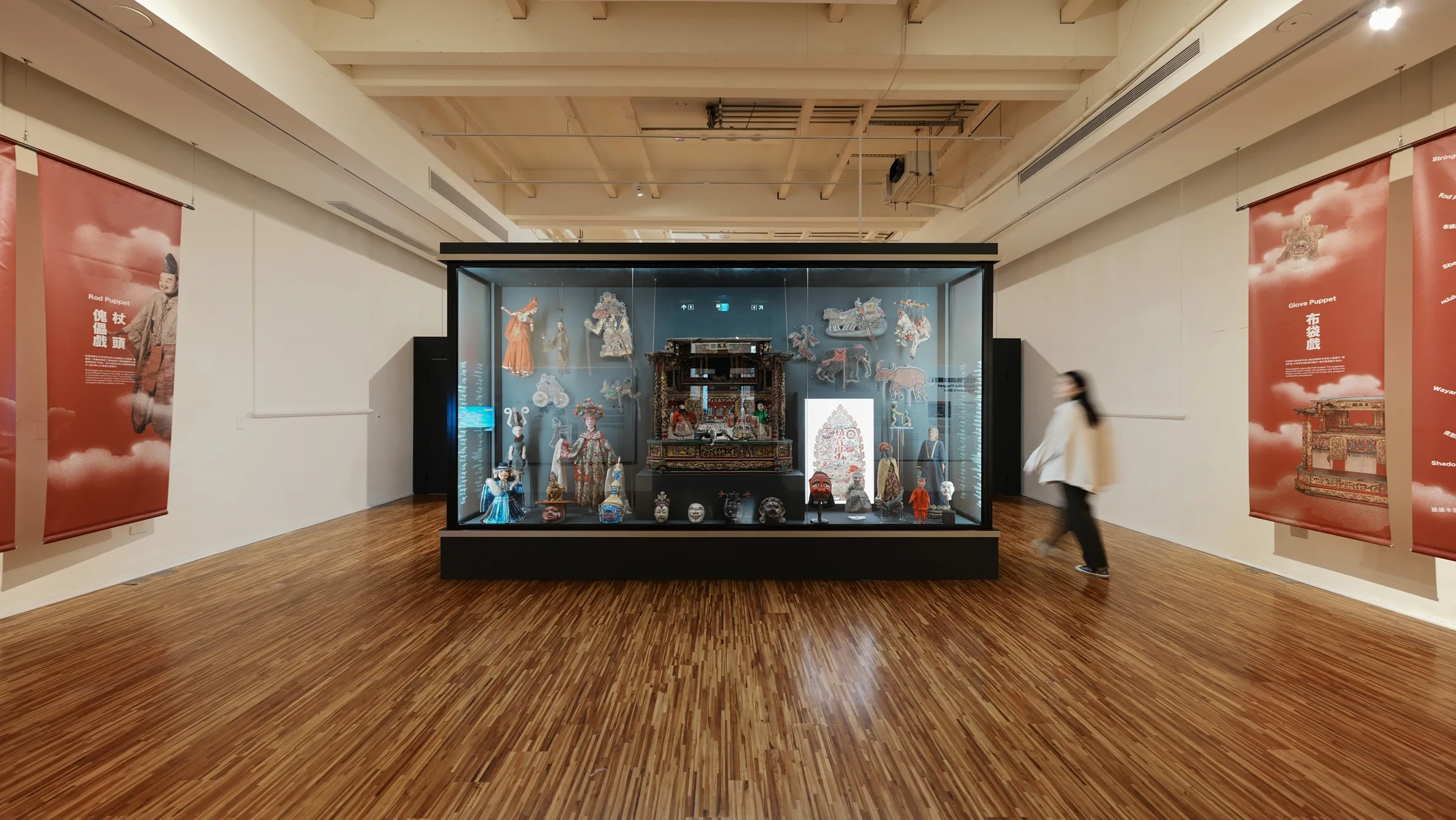
Through insights from Ting Han Chen, Puppets: Expressions of Cultures reveals how exhibition design can quietly amplify cultural storytelling. Created by Play Design Lab for the National Taiwan Museum, the exhibition transforms one of the world’s most significant Asian puppetry collections into an immersive journey through craftsmanship, history, and tradition.
Project Overview
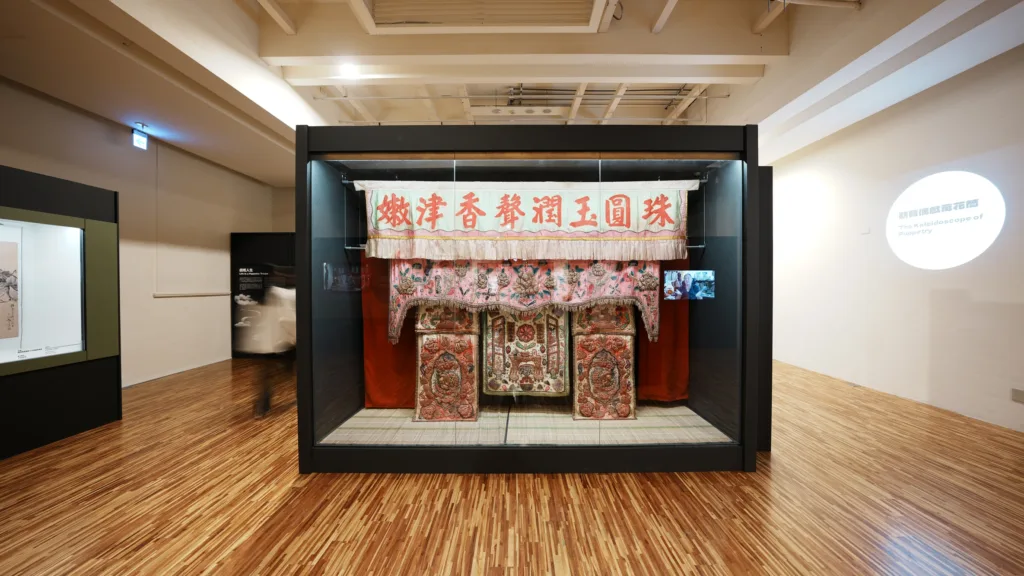
Puppets: Expressions of Cultures presents more than 15,000 puppets from Taiwan, Southeast Asia, and South Asia through an exhibition organized around discovery, diversity, and cultural exchange. Designed by Play Design Lab for the National Taiwan Museum, the exhibition balances immersive storytelling with a calm spatial language that lets the collection take center stage.
- Winning Project Title: Puppets: Expressions of Cultures
- Winning Category: Best of Best in Museum Exhibitions
- Firm: Play Design Lab
- Lead Designer: Ting Han Chen & Chi Chen Yang
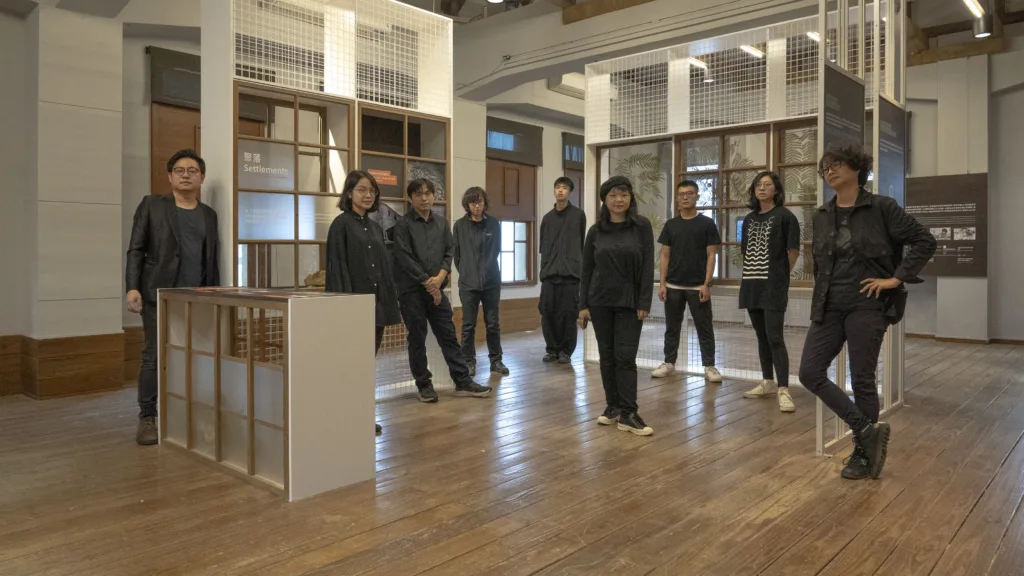
Interview with Ting Han Chen
1. What was the brief or challenge behind your award-winning project, and what key goals guided your approach?
Ting Han Chen: The mission was deceptively simple: showcase a puppet collection donated to the National Taiwan Museum and situate it within the broader world of Asian puppetry.
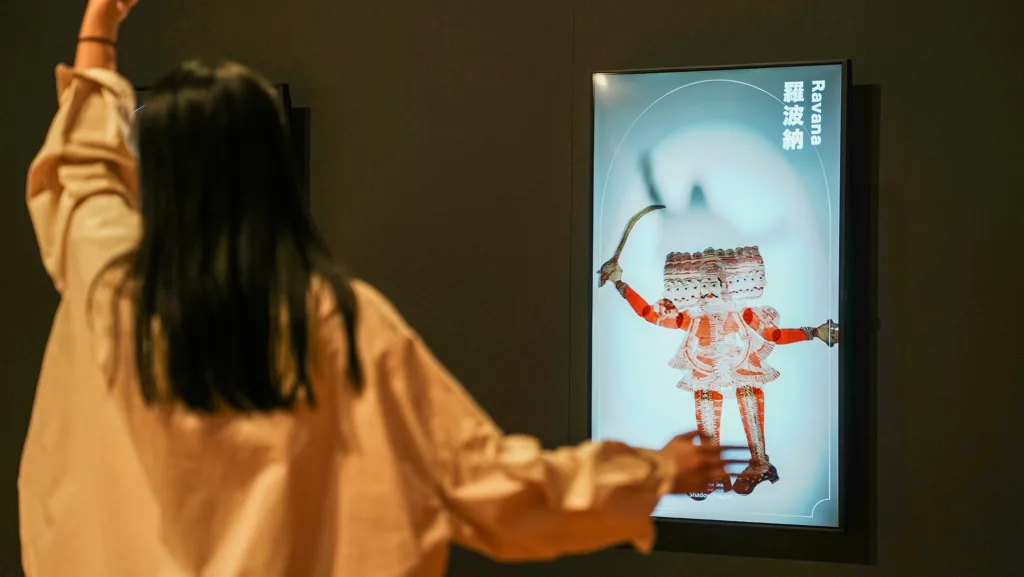
The real challenge was weaving together artifacts, cultural knowledge, and historical narratives into a coherent spatial experience. Our guiding principle was that learning should feel effortless: objects, stories, and space working in concert to invite curiosity.
2. What sparked the initial idea for the project, and how did that concept evolve into the final design outcome?
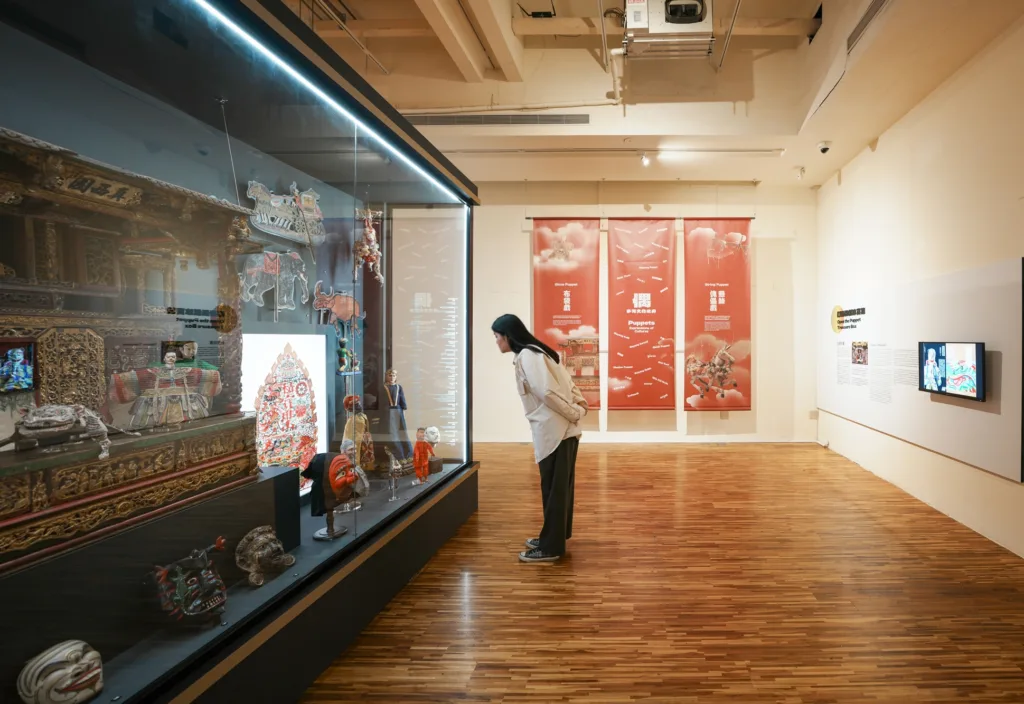
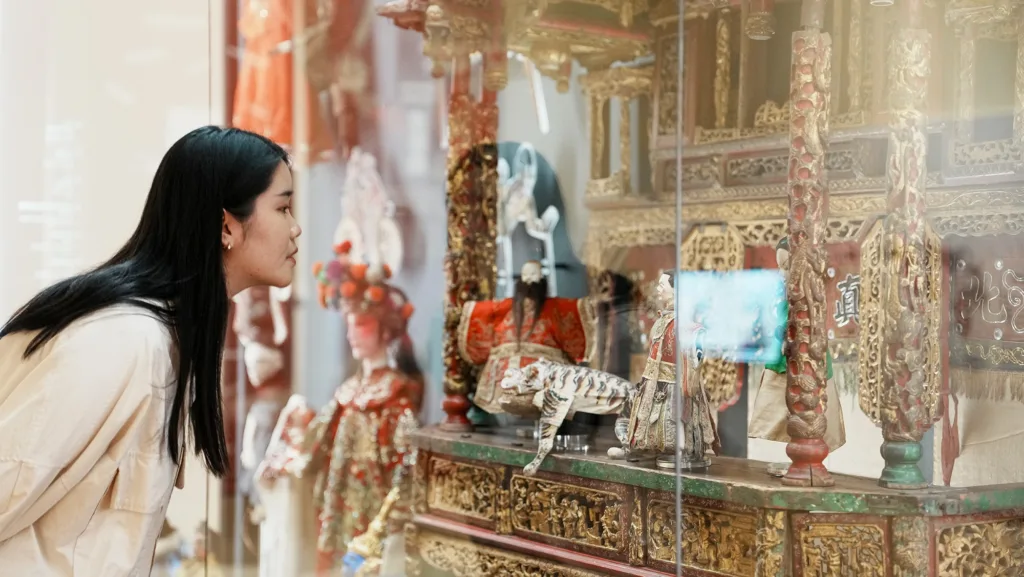
Ting Han Chen: We originally envisioned the exhibition as an oversized cabinet of curiosity: visitors stepping into a giant treasure box of puppetry. It was a romantic notion, but through dialogue with the museum, we recognized the space needed to feel more open and welcoming. So we gradually “unfolded” the box, opening up the composition while preserving that spirit of discovery. The entrance still features a grand display cabinet filled with Asian puppets, an immersive prologue to the journey ahead.
3. Can you describe your design process for this project, from early exploration to final execution?
Ting Han Chen: We began with a user-experience mindset: mapping content, imagining how visitors would move through space, anticipating where they’d pause and what narratives they’d carry with them.
From there, we shaped the spatial form, refined details, and produced construction documents. It was a cycle of ideation, iteration, and calibration, culminating in fabrication and on-site installation.
4. What were the main challenges you faced during development, and how did you resolve them while maintaining clarity, usability, or visual strength?
Ting Han Chen: The central challenge was translating content into spatial language. In exhibition design, visual impact can easily overshadow meaning, and we were determined to avoid that. Ensuring visitors could clearly grasp the museum’s message required delicate negotiation: between client and designer, between design and curatorial content, sometimes between differing institutional perspectives. Strong communication and disciplined project management kept everything aligned.
5. What do you consider the most distinctive or successful aspect of the project, and why?
Ting Han Chen: Seeing how satisfied the client was, and how positively visitors responded. The final design may differ from our earliest ideal, but that’s the nature of collaboration. In a museum context, design shouldn’t dominate or claim authorship over content; it should work in harmony with curatorial expertise. Maintaining that humility allowed us to build a true partnership, and I believe that’s the real mark of a successful exhibition.
6. If you had to explain this project to someone outside the design industry, what would you say is its true value or impact?
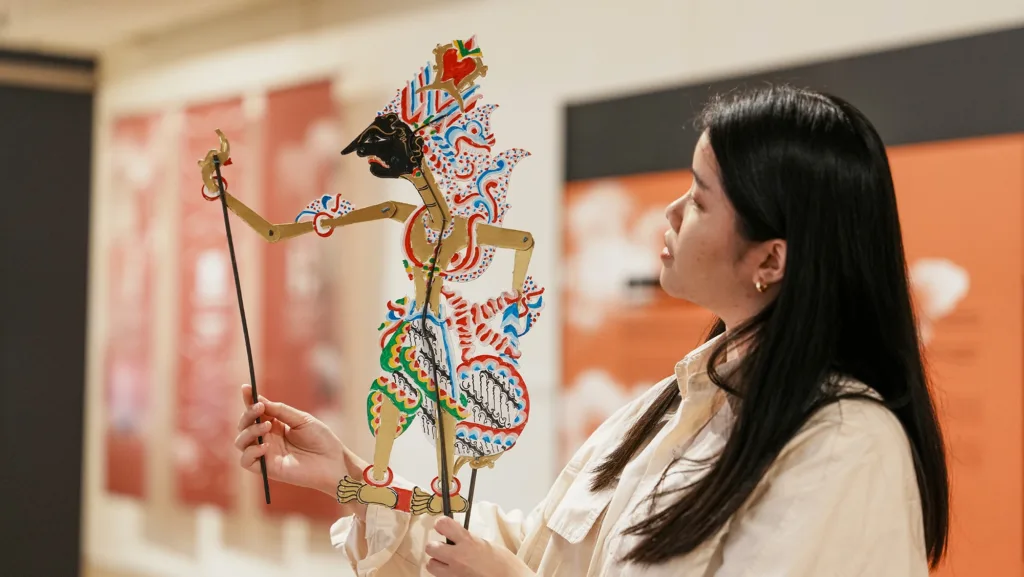
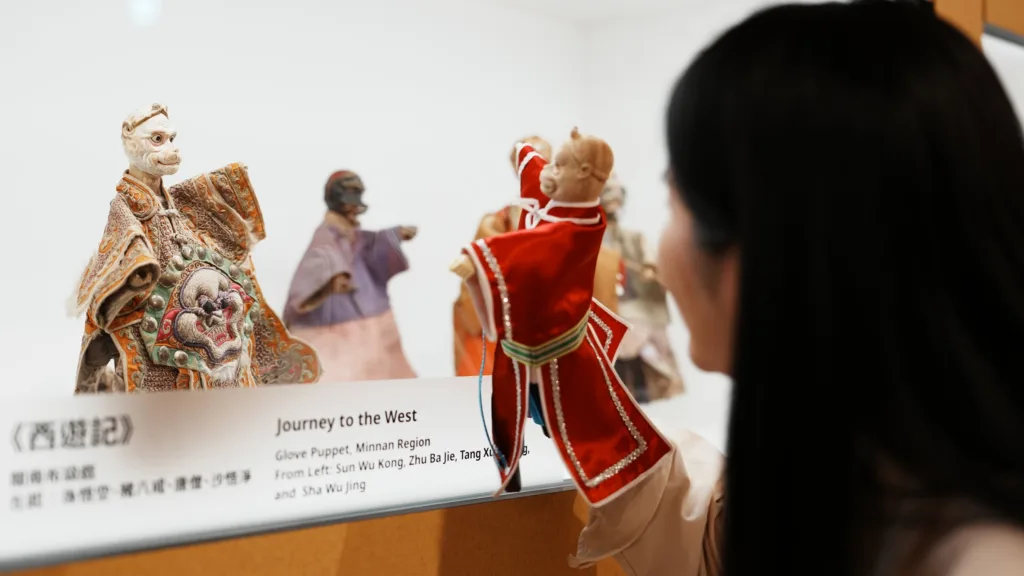
Ting Han Chen: This exhibition opens a window into Asian puppetry through a remarkable collection preserved by the National Taiwan Museum. Each puppet carries layers of history: craft traditions, woodwork, embroidery, and the spirit of generations of artisans.
Beyond appreciating their beauty, visitors sense how craftsmanship and cultural values endure across time. It’s not just about the puppets; it’s about understanding the dedication behind them, and why these cultural treasures still inspire us.
7. Looking back, what is one decision you made during this project that significantly shaped the final result?
Ting Han Chen: Stepping back and trusting the team. I let our project managers and designers lead conversations directly with content specialists, which helped align design direction with curatorial needs.
My role as director was to support the collaborative process, not control it. That space for mutual understanding produced an exhibition that feels balanced, thoughtful, and complete.
8. What does receiving a Design MasterPrize mean to you, and how do you see it influencing your future work or direction?
Ting Han Chen: Winning Best of Best in Museum Exhibition is an extraordinary honor. It signals that our practice has reached a high level within the field, and it strengthens trust with future clients, especially those unfamiliar with our work. Most importantly, it’s a tremendous morale boost for the team, affirming that our direction and values are resonating. We’re deeply grateful for the jury’s recognition, and energized to keep pushing the boundaries of exhibition design.
ConclusioN
By placing artifacts, stories, and space in careful dialogue, Puppets: Expressions of Cultures demonstrates how exhibition design can deepen our understanding of cultural heritage without overshadowing it. Through collaboration and restraint, Play Design Lab created an experience that celebrates the artistry of Asian puppetry while inviting visitors into a richer appreciation of the traditions and craftsmanship behind every figure.