
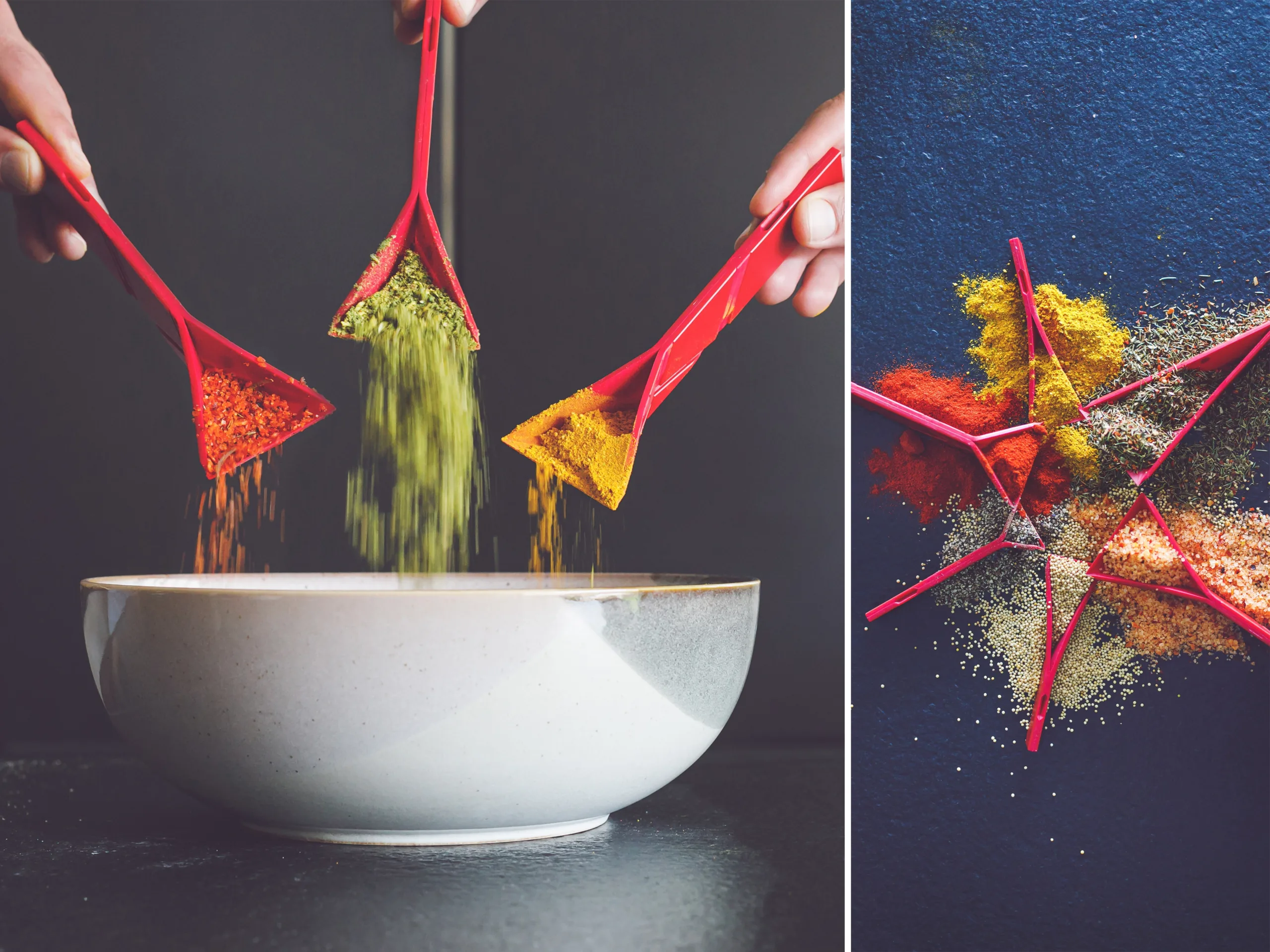
Polygons flat 3-in-1 Measuring Spoon turns a centuries-old kitchen staple into a transformable, origami-inspired tool that shifts between flat form and functional volume. Developed by Polygons Design Inc, the project rethinks how measuring works by drawing from the natural movement of the human hand, then translating that idea into a durable, foldable object designed for modern kitchens. Lead designer Rahul Agarwal shares how an intentionally unconventional starting point evolved into a product that blends intuition, engineering, and sustainability.
Project Overview
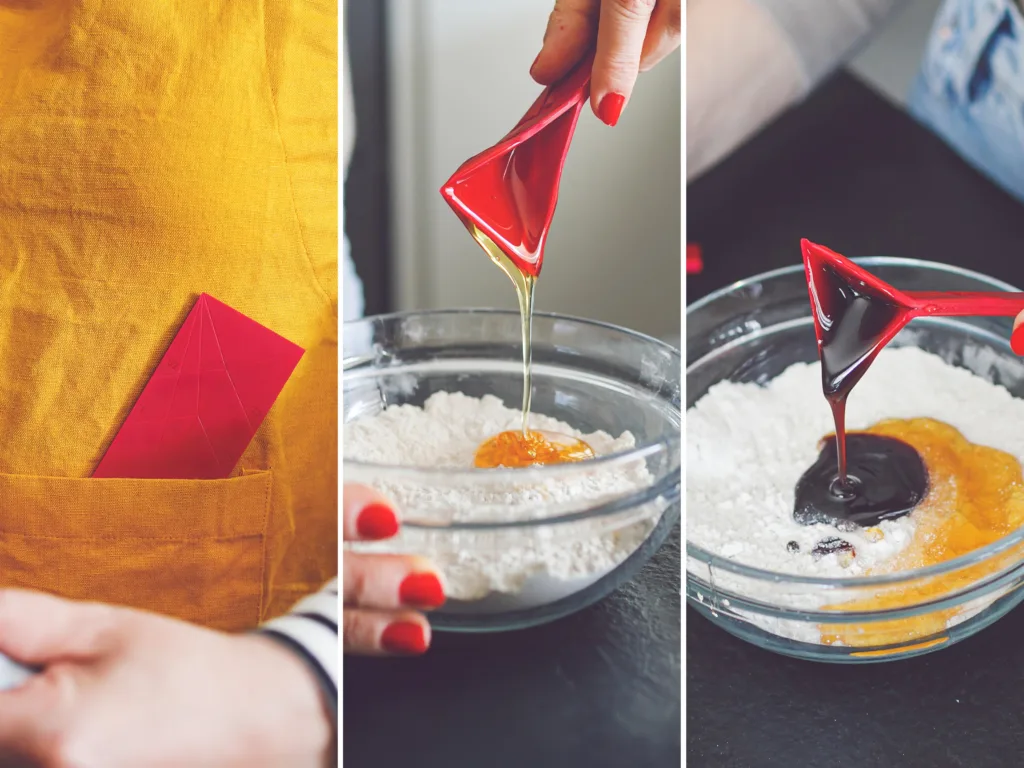
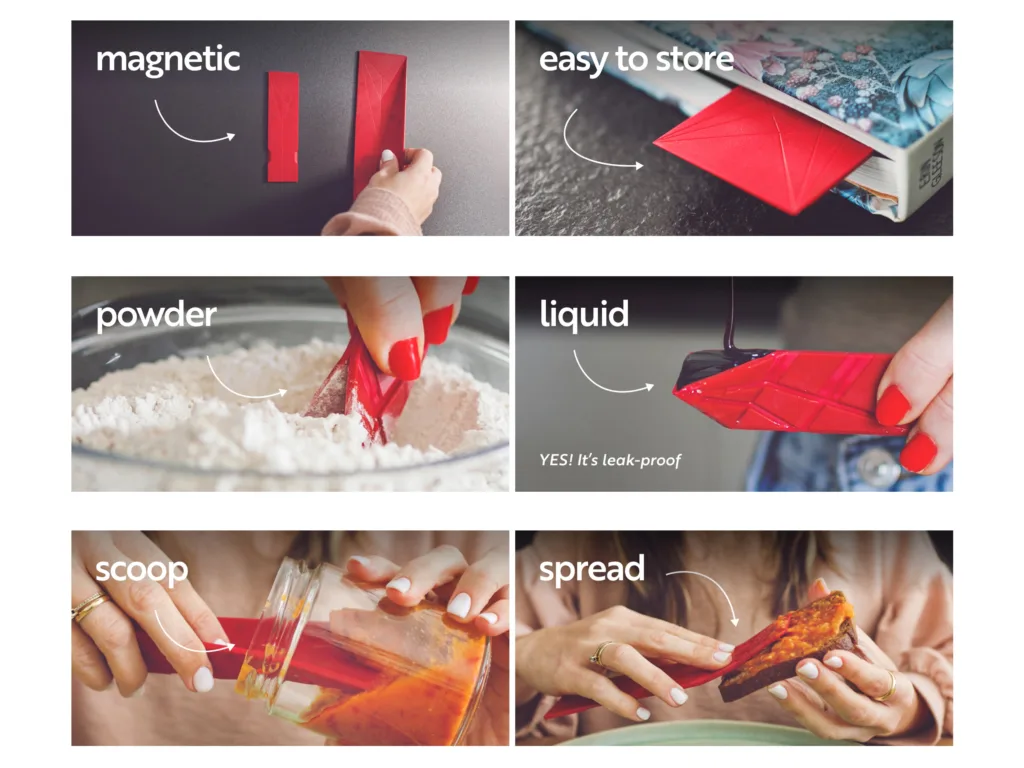
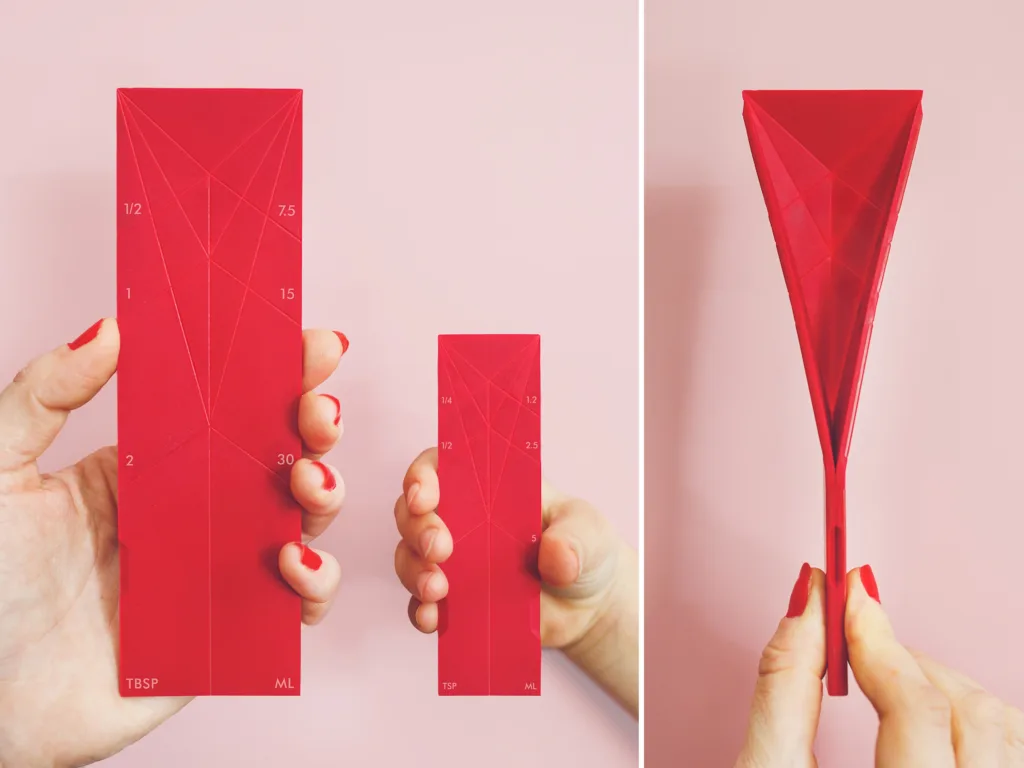
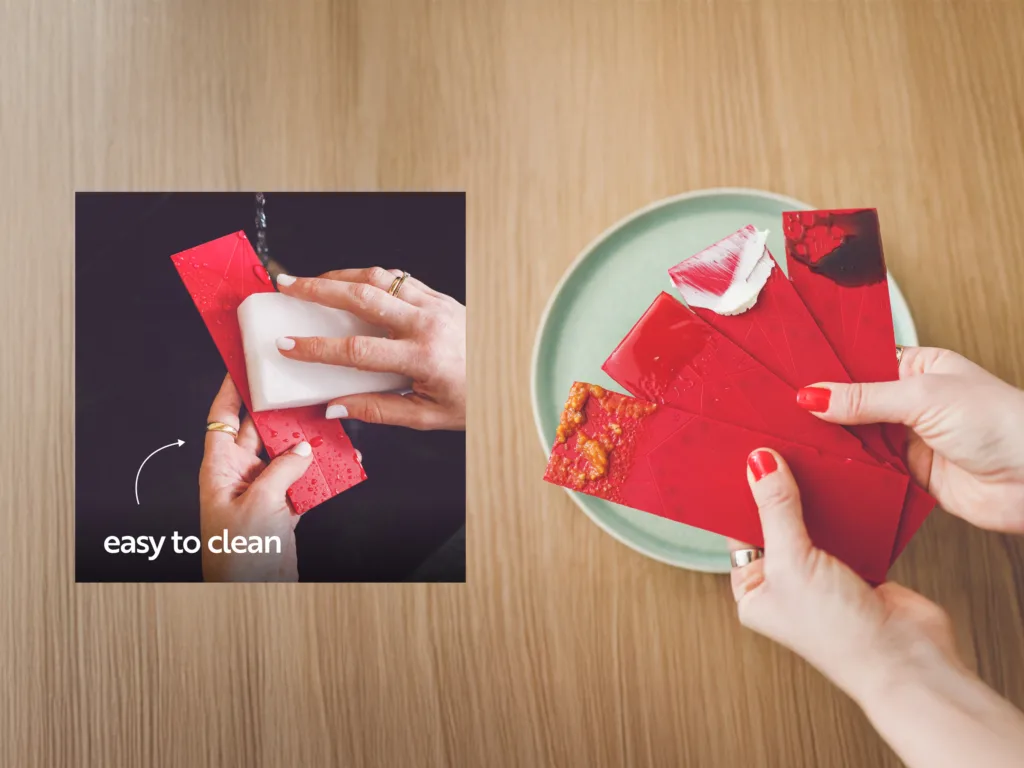
Polygons flat 3-in-1 Measuring Spoon condenses a full measuring set into a single ultra-thin, foldable sheet. It pinches into multiple volumes, then flattens for easy cleaning and magnetic storage. Inspired by the cupping motion of the human hand, the design balances flexibility with structure. Refined through material and geometry testing, it delivers a durable, intuitive, and more sustainable alternative to traditional measuring tools.
- Winning Project Title: Polygons flat 3-in-1 Measuring Spoon
- Winning Category: Kitchen: Cookware and Cooking Utensils
- Firm: Polygons Design Inc
Lead Designer: Rahul Agarwal
Interview with Rahul Agarwal
1. What was the brief or challenge behind your award-winning project, and what key goals guided your approach?
Rahul Agarwal: In design college, a senior advised me: “Don’t redesign objects that have reached the end of their evolution, for example, a spoon.”
My brain went: “perfect, challenge accepted.”
It wasn’t even a daily-life pain point. I don’t cook. But that outsider angle helped. I wasn’t trying to “improve a spoon”, I was trying to prove it wasn’t finished yet.

2. What sparked the initial idea for the project, and how did that concept evolve into the final design outcome?
Rahul Agarwal: 3000 years ago, before spoons existed, we already had a great measuring tool: our trusty human hand. Flat at rest, then it cups into different volumes depending on how much you want to pick up. Water, sand, etc.
Polygons started there and evolved into a folding, durable, washable object that still feels like “the hand idea”… just upgraded for kitchens and the internet.
3. Can you describe your design process for this project, from early exploration to final execution?
Rahul Agarwal: My process is basically: imagine the most natural, intuitive “ideal” way something should work, and then reverse-engineer it into reality with today’s materials and constraints.
Imagine first. Physics later.
(But physics always shows up)
4. What were the main challenges you faced during development, and how did you resolve them while maintaining clarity, usability, or visual strength?
Rahul Agarwal: Origami loves paper. Not all products get to be paper.
The challenge was building something that’s flexible enough to transform, but rigid enough to behave like a proper tool once it clicks into a volume. Sturdy, washable, durable. That contradiction drove years of iteration around geometry, hinge behavior, and material performance.
5. What do you consider the most distinctive or successful aspect of the project, and why?
Rahul Agarwal: It’s universal. You can understand it from a single photo in two seconds. No language, no explanation, no “wait what is this?”
That clarity drove whatever success it has had.
6. If you had to explain this project to someone outside the design industry, what would you say is its true value or impact?
Rahul Agarwal: I always designed the story marketing material for regular users first. If the user gets it, the design industry would naturally get it.
So the same visuals and language work for everyone: consumer, retailer, judge, design nerd. One simple communication system, pan-audience.
7. Looking back, what is one decision you made during this project that significantly shaped the final result?
Rahul Agarwal: Reconnecting with it years after it had actually been conceived, and giving it a chance.
8. What does receiving a Design MasterPrize mean to you, and how do you see it influencing your future work or direction?
Rahul Agarwal: It’s more proof that great design can win with users commercially, and design purists at the same time.
Also: it’s a pretty motivating nudge to keep picking fights with “solved” objects.
ConclusioN
By rethinking form, function, and material efficiency, Polygons Design Inc shows how even the most overlooked everyday tools can be transformed through design. The Polygons flat 3-in-1 Measuring Spoon balances intuition, durability, and sustainability, creating a product that is as practical as it is innovative. It stands as a clear example of how design can challenge assumptions, reduce impact, and resonate with users worldwide.