
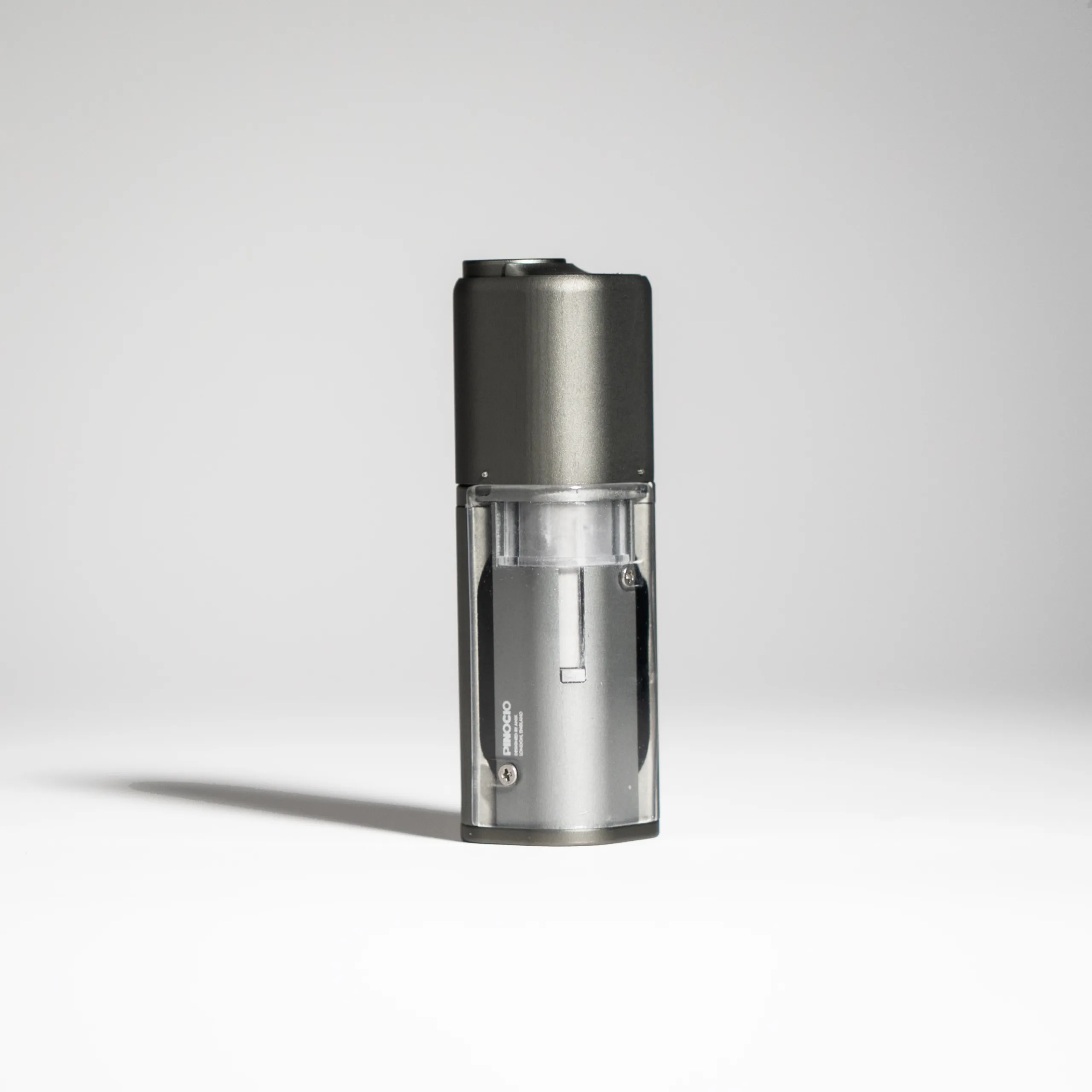
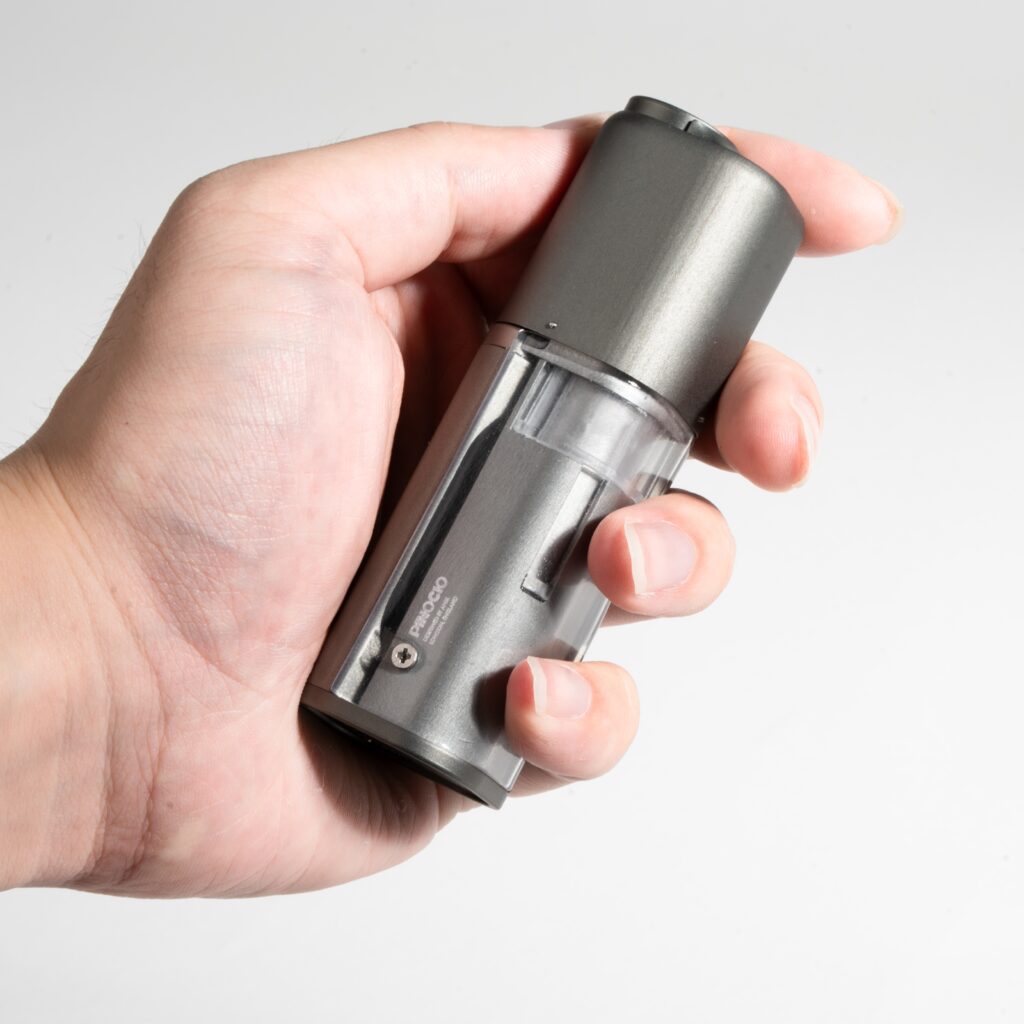
PINOCCIO Type-T transforms nosebleed relief into a compact, wearable experience that feels closer to a personal accessory than a medical device. Developed by Royal College of Art student Yang Liu, the project combines ergonomic form, advanced cooling technology, and material innovation to create a purely physical solution for seasonal epistaxis. Drawing from personal experience, the design rethinks how everyday healthcare products can become both effective and emotionally reassuring.
Project Overview
PINOCCIO Type-T is a compact cooling device designed to relieve seasonal nosebleeds through a purely physical, non-invasive approach. The project integrates advanced materials and vacuum-insulated structures to reduce reliance on surgery and steroid-based treatments. The result is an inclusive healthcare product that balances functionality, comfort, and aesthetic sensitivity for everyday use.
- Winning Project: PINOCCIO Type-T
- Winning Category: Student Best of Best in Healthcare: Inclusive Technology
- Lead Designer: Yang Liu
- School: Royal College of Art
Interview with Yang Liu
1. What was the brief or challenge behind your award-winning project, and what key goals guided your approach?
Yang Liu: The long-standing absence of effective relief devices has forced up to 291 million seasonal nosebleed sufferers into a dilemma: choose between aggressive overtreatment (surgery) or total negligence.
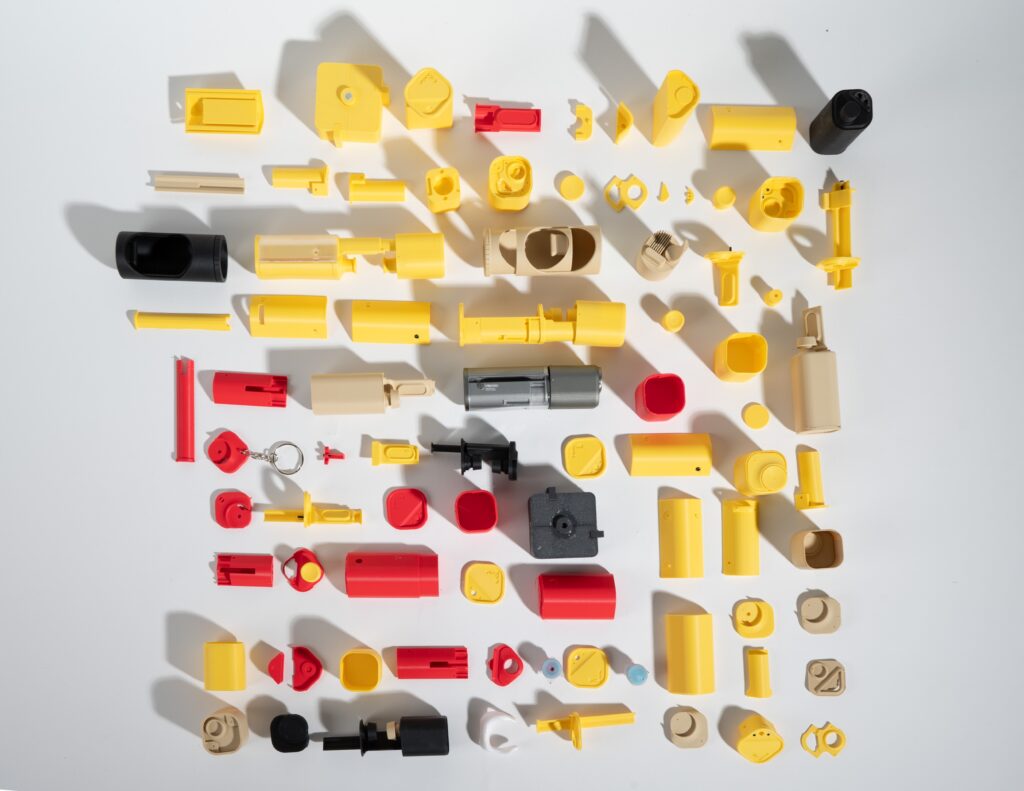
Society needs a middle ground, a solution for the majority of patients whose condition isn’t severe enough to warrant surgery. Driven by this goal, I went through over 120 iterations, testing every possible cooling mechanism allowed by the device’s form factor. The result is PINOCCHIO.
2. What sparked the initial idea for the project, and how did that concept evolve into the final design outcome?
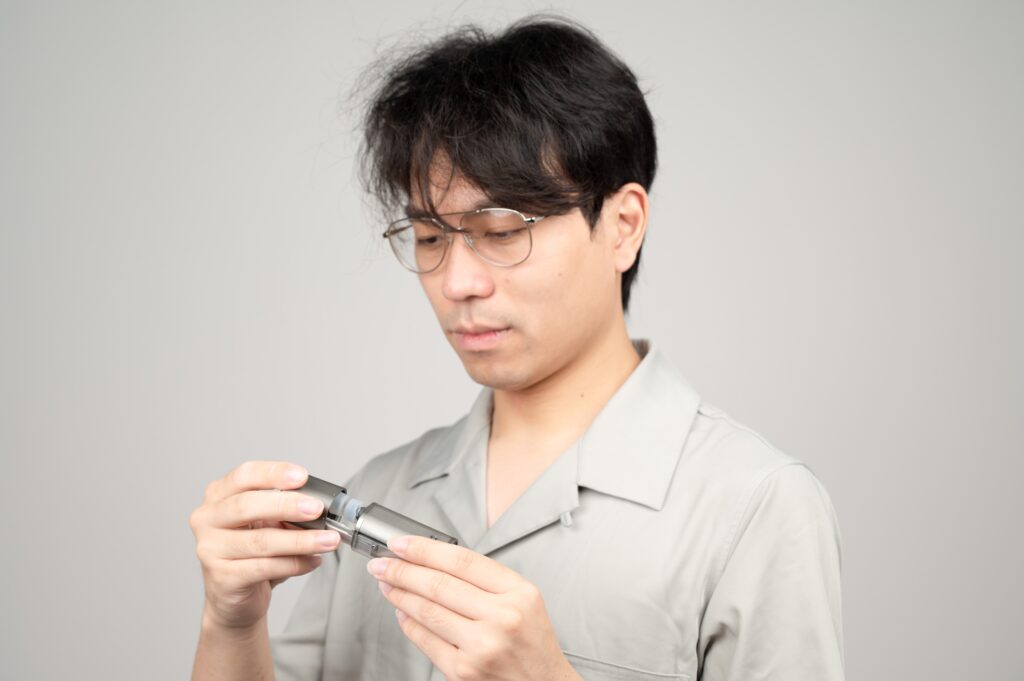
Yang Liu: As a long-term sufferer myself, I have firsthand experience with the limitations of current medical interventions. After enduring multiple surgeries and testing existing commercial solutions without success, I inadvertently became a specialist in nosebleed management.
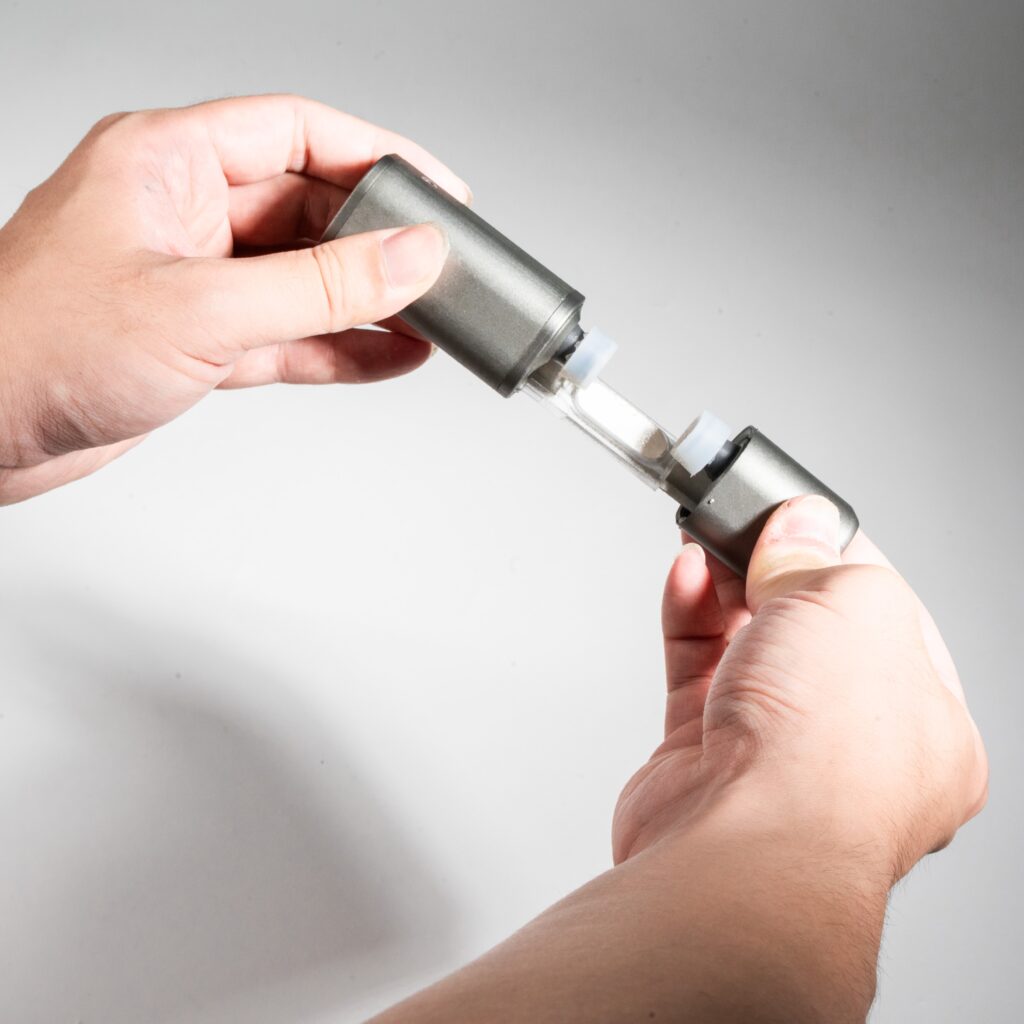
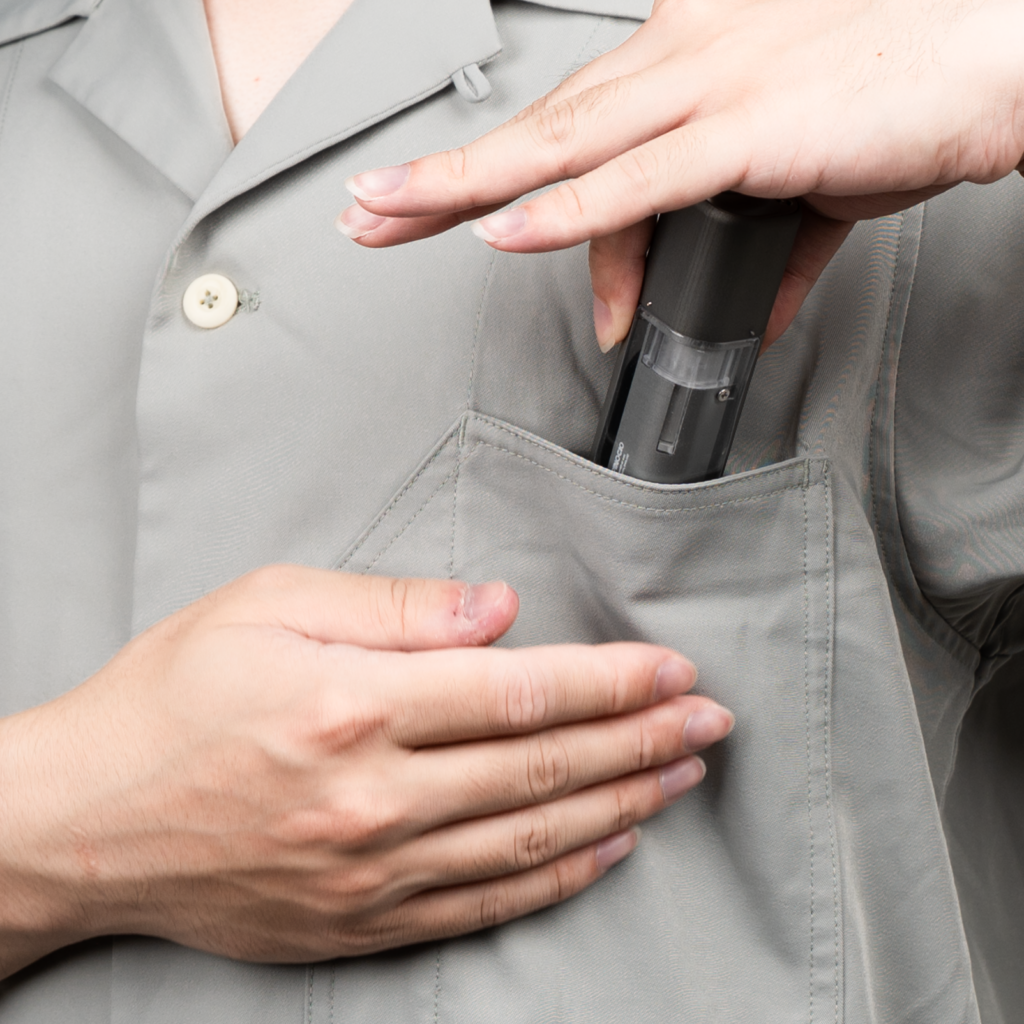
PINOCCHIO is the culmination of that experience, integrating multiple proven relief techniques into a compact, pocket-sized form factor.
3. Can you describe your design process for this project, from early exploration to final execution?
Yang Liu: I started by testing a simple water-based prototype, essentially a nose cup filled with cold water. It stopped the bleeding, but it was uncomfortable and impossible to carry around.
I then moved to electronics, building a clamp using thermoelectric (Peltier) cooling. It worked well in theory but failed in practice due to its large size and poor battery life. I even explored chemical cooling, but the results were underwhelming.
The breakthrough finally came when I re-engineered the structure. By integrating a vacuum-insulated chamber with advanced materials, I created the final version of PINOCCHIO, a compact, ergonomic clamp that delivers stable, high-efficiency cooling.
4. What were the main challenges you faced during development, and how did you resolve them while maintaining clarity, usability, or visual strength?
Yang Liu:Throughout the development process, I explored numerous approaches and navigated significant challenges in both engineering and manufacturing.
The toughest hurdle was controlling the device’s volume, the very heart of the cooling equation. I believe that only a bespoke solution yields the minimum compromise. Driven by this philosophy, I engineered the SBRS cooling system, delivering powerful performance without sacrificing the compact form factor.
5. What do you consider the most distinctive or successful aspect of the project, and why?
Yang Liu: The most successful component is undoubtedly the SBRS cooling solution, which cleverly combines a vacuum structure with advanced materials. Additionally, the overall proportional design is a major highlight.
My aim was to create a product that is visually offensive to no one, thus, I identified proportion as the key unifying factor. By applying extremely high-precision customization, I raised the aesthetic standard. Only a product that is a joy to hold can truly merge into daily life and completely change a patient’s life.
6. If you had to explain this project to someone outside the design industry, what would you say is its true value or impact?
Yang Liu: With this product, every seasonal nosebleed sufferer now has a superior alternative to surgery. This innovation empowers approximately 291 million people, freeing them from the need for hospital visits and invasive cauterization.
Instead of becoming patients, they become users of a beautiful accessory, elegantly resolving a massive life burden with a single, stylish device.
7. Looking back, what is one decision you made during this project that significantly shaped the final result?
Yang Liu: The decision to engineer a bespoke cooling solution marked a fundamental turning point for the entire project.
It reinforced my belief that a designer must be more than a mere integrator of existing solutions. Instead, we must become experts in every facet of development, fusing engineering with design, and even bridging technology with art and aesthetics. I believe that a truly successful user experience is created only when a product synthesizes the strengths of all these disciplines.
8. What does receiving a Design MasterPrize mean to you, and how do you see it influencing your future work or direction?
Yang Liu: I am very pleased that DMP has bestowed this honor upon me and also given my design a relatively broad stage, allowing me to bring this potentially world-changing product to the attention of more people.
ConclusioN
By combining healthcare innovation with ergonomic and aesthetic sensitivity, Yang Liu’s PINOCCIO Type-T challenges how medical relief devices are traditionally perceived. The project transforms a deeply personal health experience into an inclusive, accessible product that balances engineering, comfort, and emotional reassurance, demonstrating how thoughtful design can reshape everyday wellbeing.