
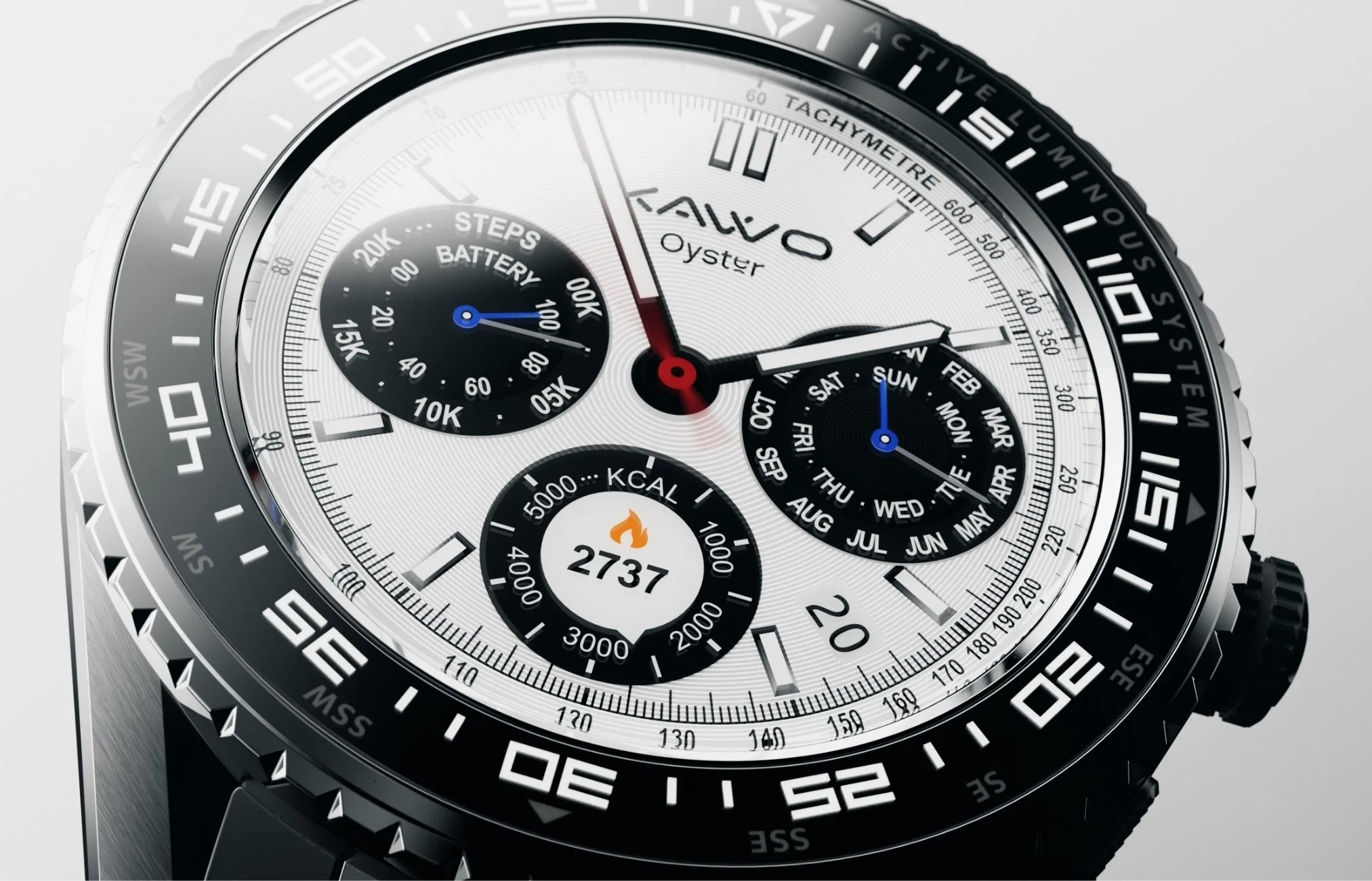
Through insights from Derek Li, The World’s First Actively Luminous Watch with Smartcore developed by Common Technology / KAVVO, the project merges classic watchmaking principles with pioneering engineering innovations, including the world’s first active luminous system for a smartwatch. We gained insight into the project from lead designer Derek Li, who shared the inspiration and innovations behind reimagining the smartwatch experience.
Project Overview
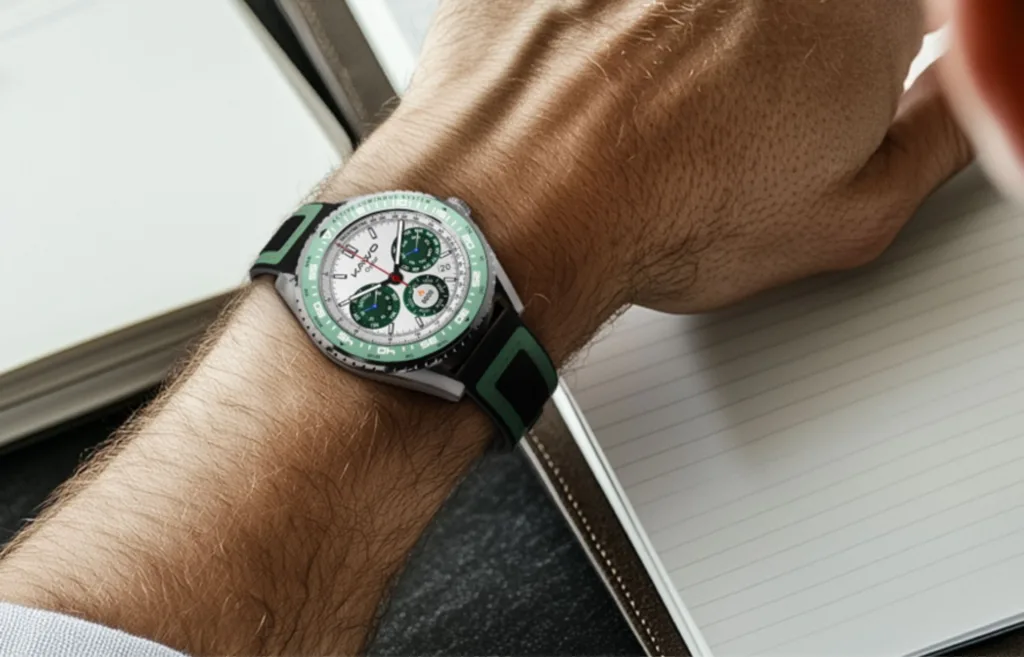
The World’s First Actively Luminous Watch with Smartcore reimagines the smartwatch through the lens of traditional horology. Inspired by classic dive watches, the design combines intelligent features with enduring aesthetics, introducing innovations such as an active luminous system and a world-first piston button mechanism.
Developed through cross-industry collaboration between Asian engineering and European design philosophies, the watch balances advanced technology with emotional and timeless appeal.
- Winning Project Title: The World’s First Actively Luminous Watch with Smartcoreuppets: Expressions of Cultures
- Winning Category: Best of Best in Watches – Fashion
- Firm:Common Technology / KAVVO
- Lead Designer: Derek Li

Interview with Derek Li
1. What was the brief or challenge behind your award-winning watch, and what key goals guided your approach?
Derek Li: The design vision and core objective of KAVVO Oyster Elite was to create a smartwatch with iconic aesthetics, allowing technology to integrate elegantly and naturally into everyday life. While many smart wearable brands place strong emphasis on technological capabilities, they often overlook the fundamental nature of wearability. As a result, even highly successful smartwatches tend to become homogeneous and lack individuality.
Our intention was to truly combine intelligence with elegance, and to pursue deeper innovation on that foundation. Key innovations such as the active luminous system and piston-style button design represent not only functional breakthroughs, but also the most distinctive design highlights of Oyster Elite.
2. What sparked the initial idea for the project, and how did that concept evolve into the final design outcome?
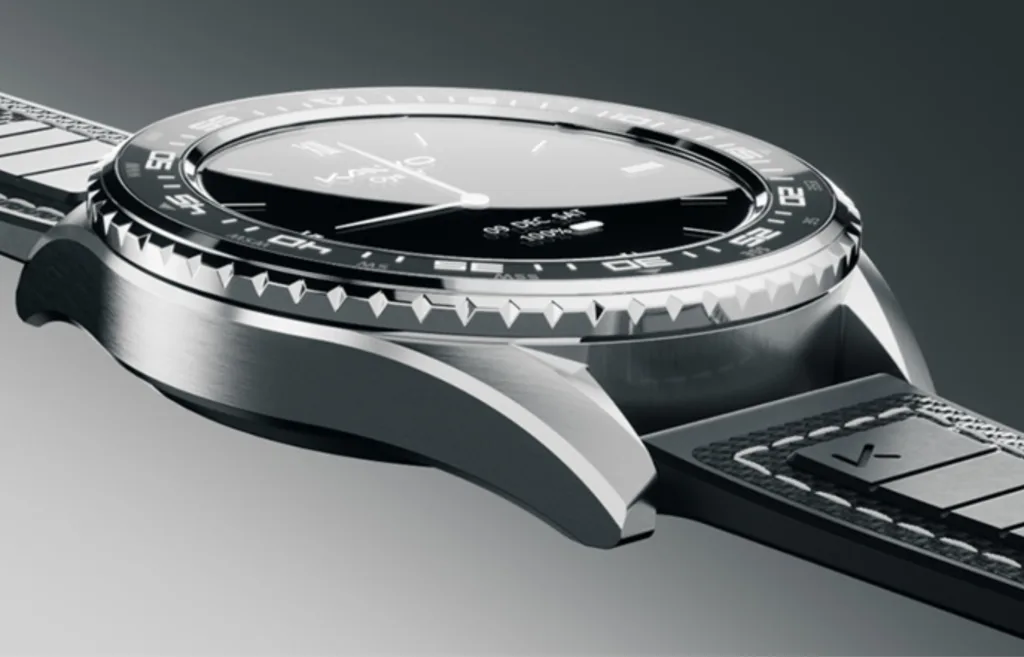
Derek Li: We have admired Apple Watch since its first generation, but by the 8th and 9th iterations, its design had remained largely unchanged. This led us to explore how classic watchmaking forms could be reinterpreted in a smartwatch, resulting in a dive-watch-inspired design.
Traditional watches carry emotional and cultural value, while many smartwatches feel purely utilitarian. We asked a simple question: Can a smartwatch, like a classic timepiece, stand the test of time?
This question ultimately evolved into the world’s first active luminous smartwatch with an intelligent modular system, combining cutting-edge technology with enduring, classic aesthetics.
3. Can you describe your design process for this project, from early exploration to final execution?
Derek Li: This was an entirely new product with an exceptionally complex design process, involving mechanics, electronics, structural engineering, and user interaction. Throughout development, we produced numerous design iterations, many of which had to be discarded due to engineering constraints.
For example, one of our key design highlights, the piston button, was initially not feasible with existing manufacturing processes. After extensive technical adjustments and multiple redesigns, we eventually refined the solution to make mass production possible.
4. What were the main challenges you faced during development, and how did you resolve them while maintaining clarity, usability, or visual strength?
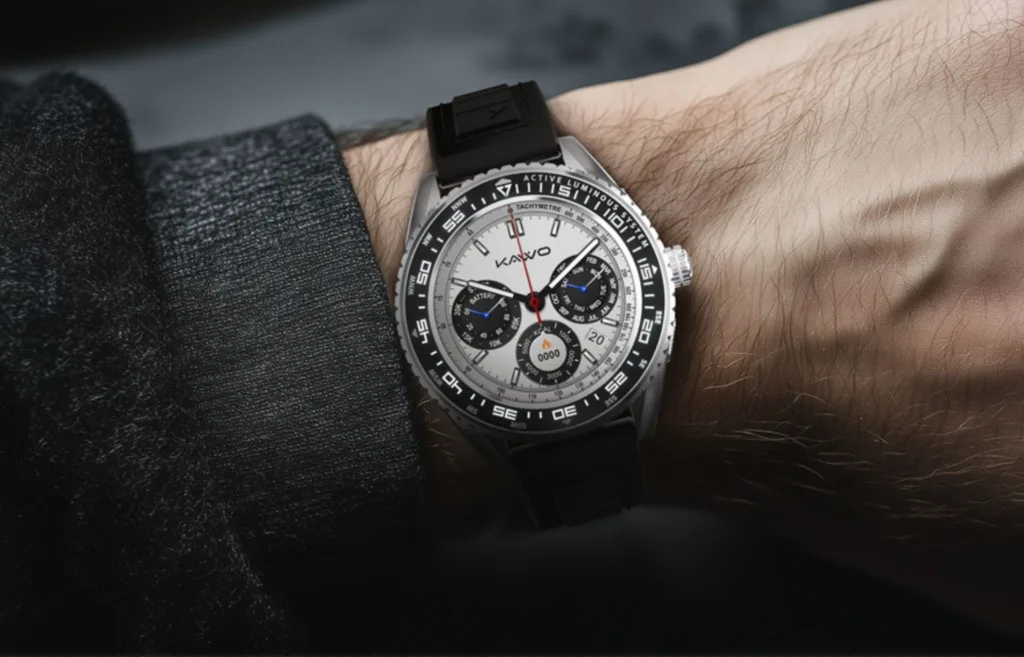
Derek Li: For the active luminous system, the most defining feature of the watch, we invested significant time and effort. Achieving an ultra-thin rotating structure required extensive LED selection and tuning, as well as solving complex challenges related to light transmission, shielding, and luminous uniformity.
At several points, we considered taking a more conventional approach, as there were no existing solutions within the supply chain. However, that would have resulted in an unremarkable product. Instead, we sought partners beyond the industry and made multiple breakthroughs in materials and manufacturing processes, completing more than nine rounds of prototyping before reaching the desired result.
5. What do you consider the most distinctive or successful aspect of the project, and why?
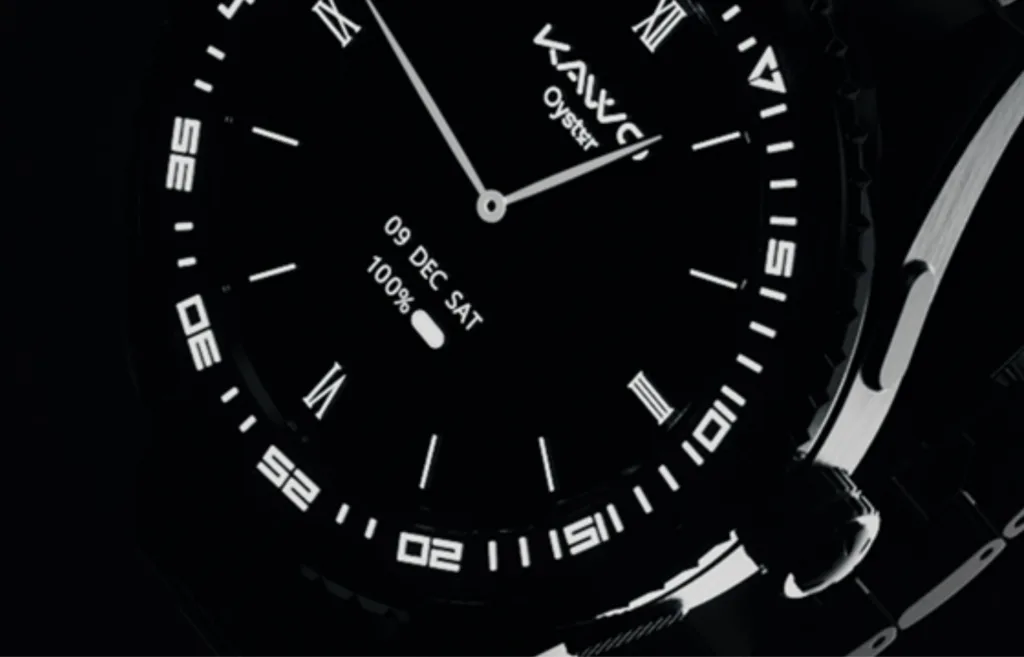
In 1915, Panerai introduced the world’s first luminous wristwatch through its Radiomir patent, marking the origin of modern luminous watchmaking. More than 110 years later, KAVVO has become the first to introduce an active luminous system into a smartwatch, opening a new chapter in horological innovation. This represents another major evolution of traditional watchmaking after quartz and electronic technologies, now embracing intelligent systems.
Beyond functionality, our goal was to bring joy and emotional engagement to the experience. KAVVO Oyster Elite is the world’s first smartwatch to feature active illumination on the wrist.
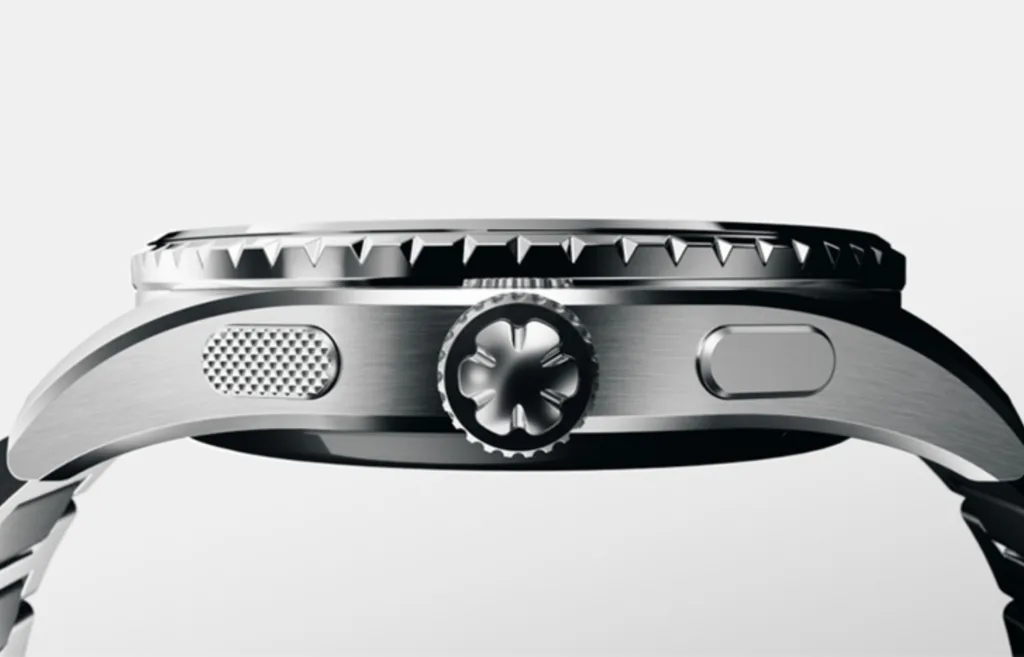
Another highlight is the Piston Button.
The piston button is a world-first structural innovation that fundamentally rethinks conventional consumer electronics design. By eliminating gaps and seams, it offers a form that is both cleaner and more intuitive to human interaction.
Hidden seamlessly within a solid stainless-steel crown, the piston mechanism is machined to tolerances of one-thousandth of a millimeter using Swiss precision equipment. A gentle press feels like touching a piano key, an invisible mechanism that achieves a rare balance of aesthetic purity, tactile elegance, and structural cleanliness, redefining what interaction with a smartwatch can be.

6. If you had to explain this project to someone outside the design industry, what would you say is its true value or impact?
Derek Li: It is a smart product rooted in traditional classic aesthetics, achieving a balance between intelligence and elegance. More than a smart device, it is a timepiece designed for long-term wear, one that can stand the test of time.
Beyond appreciating their beauty, visitors sense how craftsmanship and cultural values endure across time. It’s not just about the puppets; it’s about understanding the dedication behind them, and why these cultural treasures still inspire us.
7. Looking back, what is one decision you made during this project that significantly shaped the final result?
Derek Li: This project brings together Asian supply chain expertise and European design philosophy, with a key strategic decision centered on enabling true cross-industry design collaboration. From the outset, we chose not to confine ourselves to the conventional paths of traditional watchmaking or consumer electronics, but instead deliberately broke industry boundaries, integrating professional expertise and experience from different countries and disciplines.
Throughout this process, diverse cultural perspectives and professional approaches naturally led to differing viewpoints. Through continuous dialogue, careful trade-offs, and thoughtful balance, we gradually built consensus and ultimately transformed these differences into greater depth and tension within the design.
It was precisely this global, cross-industry collaboration of collective intelligence that allowed us to realize design concepts with no prior precedent in the industry.
Throughout the design and development phase, we worked closely and frequently with global supply chain partners and designers, making this project a truly cross-national and cross-disciplinary innovation in practice.
8. What does receiving a Design MasterPrize mean to you, and how do you see it influencing your future work or direction?
Derek Li: Receiving the Design MasterPrize, especially the Best of Best, its highest honor, is a strong affirmation of the design philosophy and direction we have consistently upheld. It not only greatly encourages our team, but also reinforces our commitment to focusing on the diversity of human aesthetics and emotional value within the technology product industry.
Looking ahead, we will take this recognition as motivation to continue creating products with greater depth and aesthetic value, as technology and craftsmanship continue to evolve.
ConclusioN
By challenging the visual uniformity of today’s wearable technology, The World’s First Actively Luminous Watch with Smartcore proposes a new direction for smart devices, one rooted in craftsmanship, individuality, and emotional connection. Through pioneering engineering and timeless design principles, KAVVO demonstrates that technology can evolve without sacrificing elegance, creating a smartwatch designed not only for functionality, but for lasting personal value.